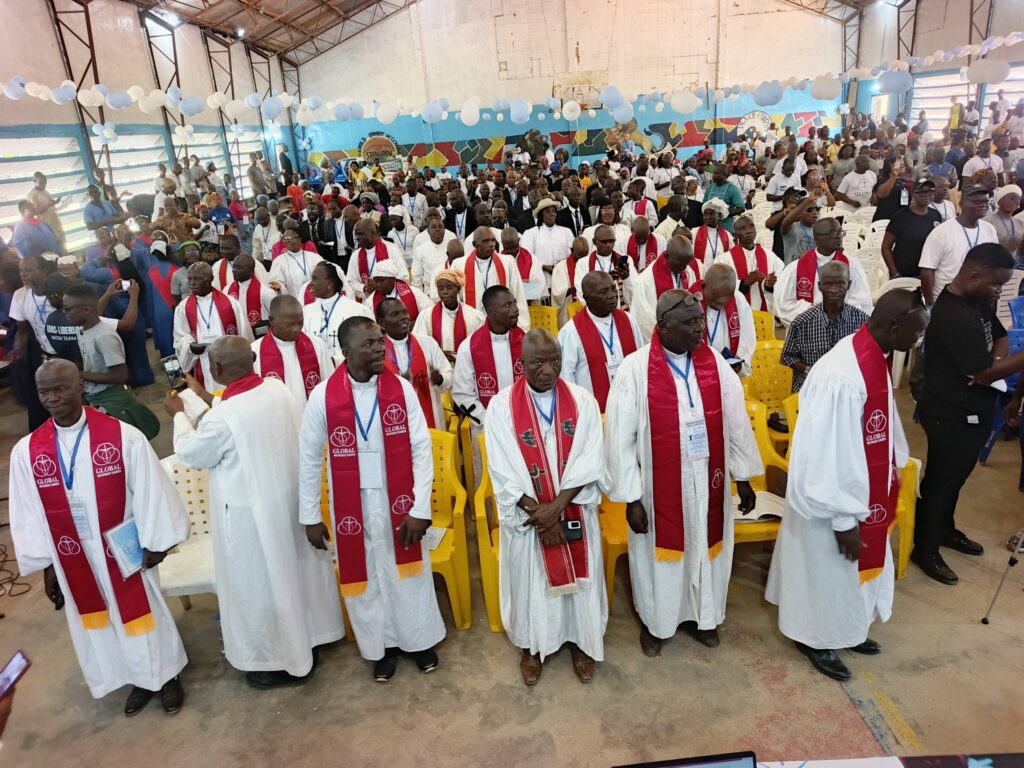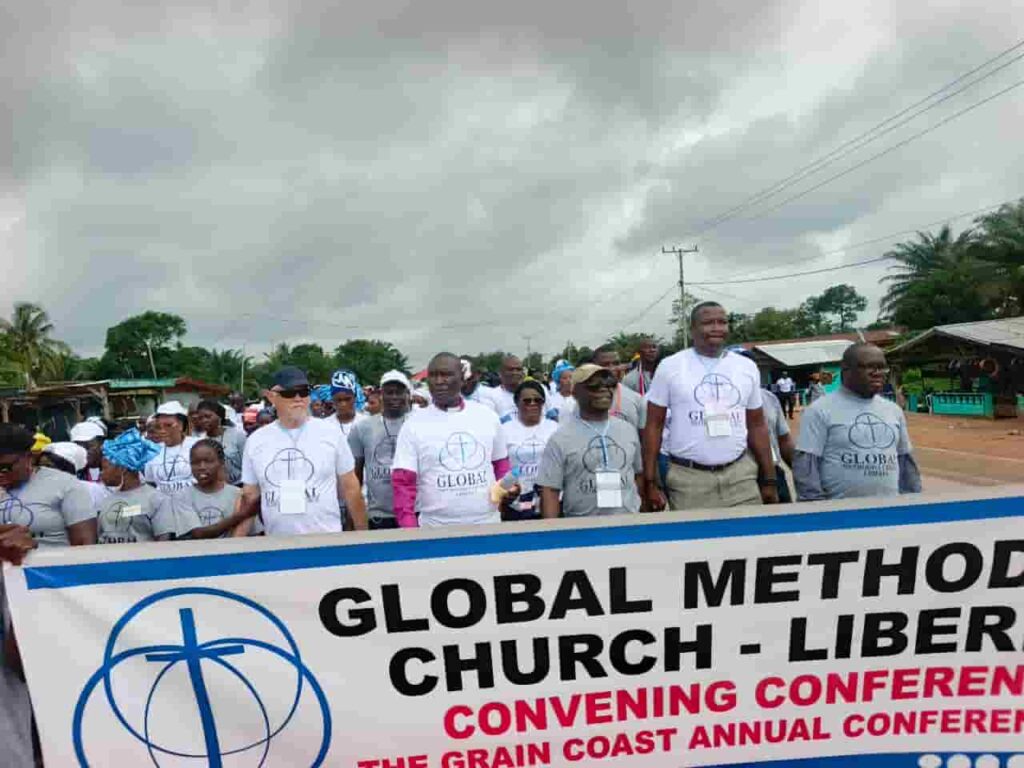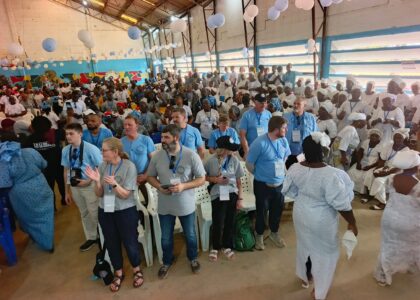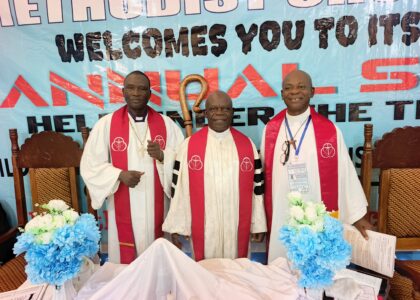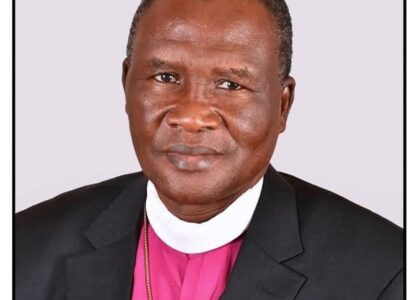

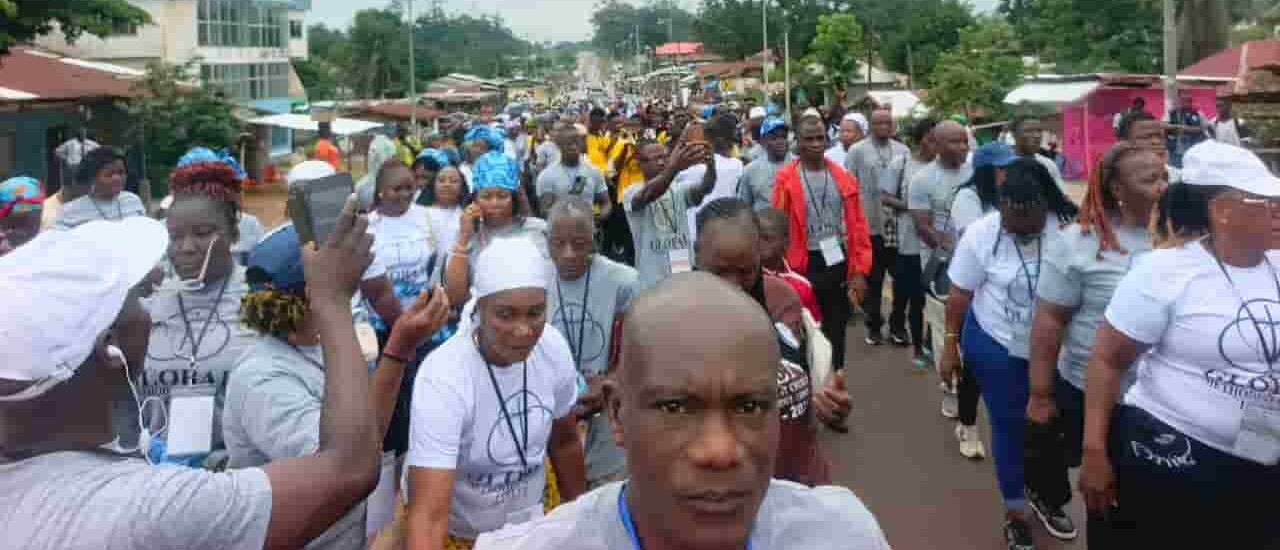
Since its establishment, the Global Methodist Church (GMC) in Liberia has recorded notable progress between August and January, demonstrating how a young conference can move swiftly from formation to impact. Through intentional leadership development, strategic planning, and expanding church infrastructure, the denomination is steadily strengthening its spiritual and institutional foundations across the country.
The early months of the church’s life in Liberia have been marked by deliberate organization and mission clarity. Leaders focused on building governance systems, mobilizing clergy and laity, and setting clear priorities for growth. These efforts have positioned the GMC not merely as a new denomination, but as a structured and forward-looking faith community committed to long-term sustainability.
Central to this progress has been leadership training. Clergy and lay leaders have participated in capacity-building programs designed to strengthen administrative competence, theological grounding, and mission effectiveness. The emphasis on leadership development reflects a recognition that sustainable church growth depends on prepared and accountable leaders at every level.
Lay Leader Olandor Boyce underscored this approach, noting that people are the church’s most valuable resource. “If we invest in leadership early, we protect the future of the church,” Boyce said. “Strong leaders help ensure that growth is orderly, faithful, and sustainable.”
Alongside leadership development, strategic planning has guided decision-making across the conference. Leaders have worked collaboratively to identify priority areas for ministry expansion, financial stewardship, and institutional development. This planning framework has helped the church align spiritual vision with practical execution.
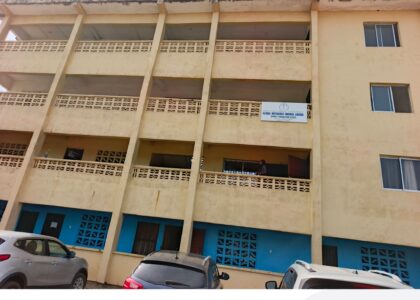
One visible outcome of this strategy is the plan to erect new church structures in key communities. These buildings are intended to serve not only as worship spaces, but also as centers for discipleship, leadership training, and community engagement. For a developing conference, infrastructure is viewed as essential to sustaining mission and visibility.
Boyce emphasized that church buildings are tools for ministry, not ends in themselves. “Structures give the church stability,” he explained. “They allow us to train leaders, gather communities, and anchor our presence for the long term.”
Beyond national initiatives, the Global Methodist Church in Liberia has also strengthened its international engagement. Since October 9, 2025, the Conference Lay Leader has served on the General Conference Board of Finance, Administration, Pension, and Benefits (FAPB), ensuring that Liberia’s voice is represented in global decision-making.
This international representation has already yielded tangible results. Through the FAPB, the Liberian conference has secured grants to assist with legal fees and advanced pension negotiations for retired pastors’ critical support for clergy welfare in a developing context. The conference has also participated in discussions on connectional funding and reduced contribution percentages for Annual Conferences outside the United States.
According to Boyce, this engagement reflects growing recognition of the realities faced by churches in the Global South. “Having a seat at the table allows us to speak honestly about our context,” he said. “It helps create policies that are fair, inclusive, and mission focused.”
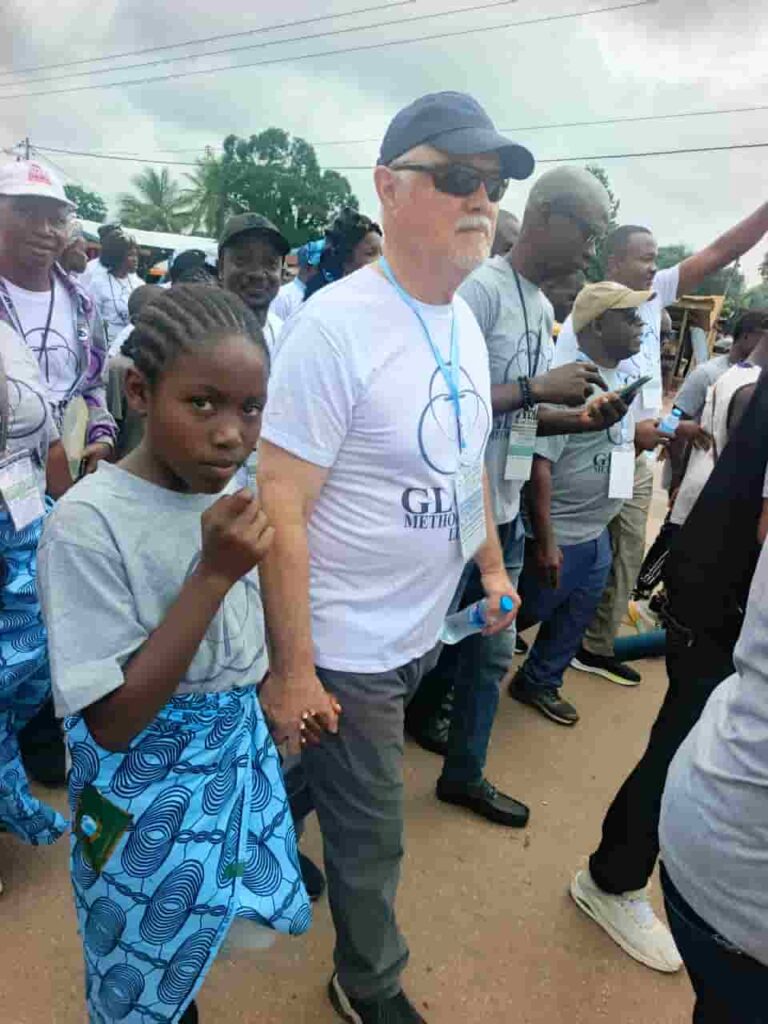
At the grassroots level, Lay Leader Boyce has remained actively involved in church planting and growth efforts. His leadership has emphasized mobilizing lay participation, encouraging local ownership, and supporting emerging congregations through practical guidance and advocacy.
Church members credit this approach with strengthening commitment and accountability. When lay leaders are empowered to serve beyond administrative roles, congregations become more resilient and mission-driven. This philosophy has shaped several church-planting initiatives across the conference.
Development focused observers note that the GMC’s model in Liberia reflects best practices in institutional sustainability: combining leadership training, infrastructure development, and international advocacy. Rather than relying solely on external support, the church has prioritized internal capacity while leveraging global connections strategically.
The progress recorded between August and January is widely viewed as foundational rather than final. Church leaders describe this period as a time of laying groundwork spiritually, structurally, and relationally for future expansion and deeper community impact.
Boyce remains optimistic but grounded about the road ahead. “We are grateful for the progress we have made,” he said, “but we also know that growth requires discipline, transparency, and continued sacrifice.”
As the Global Methodist Church continues to mature in Liberia, its experience offers valuable lessons for emerging conferences worldwide. By balancing faith with planning, local initiative with global partnership, and spiritual mission with institutional strength, the church is steadily shaping a sustainable future.
For denominational and development partners alike, the Liberian GMC story is a reminder that meaningful progress is built intentionally one leader trained, one structure erected, and one faithful decision at a time